

Inside-Out Art : ค้นหาหนังสือธรรมะ หน้า 37 / 59
หน้าหนังสือทั้งหมด
27
Dr. Michael Nobel's Commitment to Peace
Dr. Michael Nobel's Endorsement
I have myself some experience and background in
working for peace, I was born and raised in Swe-
den and lived most of my life in Switzerland, two
countries who have no
Dr. Michael Nobel reflects on his peace work and his heritage linked to the Nobel Peace Prize. He discusses his dedication to teaching non-violence to youth and highlights the significance of Phramong
32
Golden Age of Inner Peace
Golden Age of Inner Peace
respect for life are also among his hallmarks.
Luang Por Dhammajayo has initiated the televised
program DMC that has brought immense benefits
to many audiences around the wor
The text discusses the impact of Luang Por Dhammajayo's DMC program, highlighting its global recognition and the visible joy of 300,000 participants. It emphasizes grassroots actions for peace, advoca
43
Understanding Love and Family Dynamics
Love and Family
To this purpose, marriage is not based solely on
whether we feel physical attraction for the person,
but more importantly, whether this person has
similar faith, views, and beliefs. It
Marriage is not just about physical attraction; it hinges on shared faith and beliefs. Choosing a spouse from billions is significant, but the real challenge lies in building a lasting relationship. E
45
Love and Family
Love and Family
A family is a small but vital unit in society.
In addition to building a strong and healthy
marriage, a couple who plan to become parents
must learn how to love children. Parents shoul
The family is a crucial unit in society that fosters strong marriages and nurtures children. Parents must actively engage in their children's upbringing, encouraging good deeds rather than leaving it
50
Journey to Joy
50
50
Journey to Joy
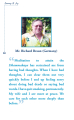
Mr. Richard Braun (Germany)
❝"Meditation
to
attain
the
Dhammakaya has restrained me from
having bad thoughts. When I have bad
thoughts, I can clear them out very
quickly before I
In this heartfelt account, Mr. Richard Braun from Germany shares how meditation to achieve the Dhammakaya has significantly transformed his life. He emphasizes how this practice helps him swiftly elim
55
Meditation and Its Impact on Love and Family
Love and Family
I have tried meditating before, using many
other techniques. But I feel that the Dhammakaya
technique is best suited for me. I like the way that I
don't have to do anything more to att
Through practicing the Dhammakaya meditation, the author shares how their relationship with their spouse has deepened, marked by daily chanting and mindful meditation. The technique aids in clearing n
63
Meditation and Family Life in Japan
Love and Family
meditation is necessary apart from working. On
weekdays, I meditate for at least 30 to 60 minutes.
On Sundays, I will meditate with Luang Phaw
Dhammajayo during every session of the sa
In Japan, where technology thrives yet the suicide rate is high, meditation is crucial for mental well-being. I meditate daily to cope with workplace stress, which can negatively affect family life. J
69
Introduction to Love and Family through Dhammakaya Meditation
My
introduction
to
Love and Family
Dhammakaya
meditation began about five years ago when I first
learned about the basic method from a monk at the
Meditation Center of Chicago. I had meditated
many ye
The author shares their introduction to Dhammakaya meditation after realizing the challenges of daily life and mental clutter. This journey began five years ago at the Meditation Center of Chicago, fo
75
Meditation for Love and Family
Love and Family
cultivates a sense of caring and compassion for
one's living companions on the planet. Loving-
kindness meditation helped shake me out of my
penchant for putting my own needs above tho
This text reflects on the practice of loving-kindness meditation as a means to cultivate compassion for family and others. It emphasizes the importance of a clear mind, free from distractions, which D
95
The Power of Meditation in Problem-Solving
Knowledge and Career
95
95
I could not think of those at first. But after
meditation, I cleared my mind and thought of
what I had never thought of in the past. The
answers came across my mind unexpect
Meditation helps clear the mind and leads to unexpected insights and solutions to complex problems. By applying meditation, one can tackle challenges more effectively, yielding better results than tra
102
Journey to Joy: Discovering Meditation
Journey to Joy
102
I first found out about the Dhammakaya
Meditation Center in Seattle, Washington State,
while working at the hospital in a clinic. The
person who invited me to the center was Sunan
Y
In 2002, I was invited to the Dhammakaya Meditation Center in Seattle by Sunan Yesuwan, a clinic colleague. Initially there to teach English to monks, I was encouraged to meditate. The practice brough
104
Journey to Joy: The Impact of Meditation on Social Choices
Journey to Joy
104
or not. Additionally, I would choose to spend
time with friends at bars or concerts, even though
I didn't want to go. After having meditated for
some period of time, I have become l
In this text, I reflect on my journey of personal transformation through meditation. Initially, I found myself engaging in impulsive behaviors and associating with friends who influenced poor choices.
128
Journey to Joy
Journey to Joy
128
anger, dissatisfaction in life, depression, physical
dysfunctions, burning out symptoms and different
stages of inner and outer conflicts, mainly showing
up in their partnerships an
In 'Journey to Joy', the focus is on addressing the negative emotions and conflicts in life, particularly those manifesting in family and partnership dynamics. The text emphasizes the importance of te
142
Journey to Joy: Finding Inner Peace Through Meditation
Journey to Joy
142
the navel level
-
in my very centre. I use the
mantra 'Samma Arahang' (which means 'purify
the mind') repeating silently three times at each
key point, until resting my mind at the
In this segment, the author discusses the practice of using the mantra 'Samma Arahang' to center the mind and achieve inner peace. By reciting the mantra and focusing on the 'seventh base', one can ef
154
Journey to Joy
Journey to Joy
154
My name is Pat Goski. I am a 52 year-old
American working as a registered nurse. I was
raised in the Catholic tradition, converted to a
more fundamental type of Christianity and hav
My name is Pat Goski, a 52-year-old American nurse. After the tragic loss of my son on November 27, 2004, I faced immense pain and devastation. Despite losing my job, income, and friends, I continued
167
Hope and Willpower After Tragedy
Hope and Willpower
I felt great sorrow when my husband, the
main provider of the family, died from a bus
accident in the beginning of 2001. I felt that
I had lost everything and cried so much that I
d
This heartfelt narrative details the overwhelming sorrow and despair experienced after the sudden death of a husband and the amputation of both legs due to an accident. The author struggles with feeli
169
Hope and Willpower
Hope and Willpower
From the moment I woke up until I went to
bed, I spent most of my time in the wheelchair. In
the beginning, I had to teach myself to get onto
the wheelchair by myself, because I was
เนื้อหาเล่าถึงการต่อสู้และความมุ่งมั่นของผู้เขียนในการใช้ชีวิตในเก้าอี้รถเข็นหลังการผ่าตัด แม้จะมีความยากลำบากในการเข้าถึงน้ำและอาหาร แต่ผู้เขียนยังคงต้องดูแลลูกๆ และต่อสู้กับบาดแผลต่างๆ ด้วยความหวังแ
170
Journey to Joy
Journey to Joy
170
I was a legless single mother of two young
children at that point of time in my life. I had to
take care of my children on top of the challenges
I faced when taking care of myself.
In this inspiring narrative, a legless single mother recounts her journey of overcoming daily challenges to care for her two young children. For over six months, she managed to handle household chores
171
Hope and Willpower: Overcoming Pain Through Meditation
Hope and Willpower
sit and watch over the store. I was very tired and
exhausted. My body was tired and worn because
I had to carry out repeated activities. I felt pain
at the point where my legs were
ในช่วงเวลาที่มีความทุกข์ที่สุด ฉันได้พบกับความเปลี่ยนแปลงที่ดีขึ้นผ่านการดูรายการ DMC และการทำสมาธิอย่างต่อเนื่องที่บ้านในอำเภอแม่สาย จังหวัดเชียงราย แม้ว่าจะต้องทนทุกข์เป็นเวลานาน แต่วันนี้ฉันรู้สึกม
191
Dancing with Angels: A Journey of Feelings
Wisdom
without words but with feelings. This was a
strange but absolutely unforgettable experience. I
stayed as long as I could in this place but I had to
go back because I was not sure if I had died.
This text shares a unique and transformative experience of feeling at home in a mystical place, reflecting on the profound impact of meditation and the emotions tied to a significant event titled 'The